
In today’s rapidly evolving digital landscape, virtual cards have emerged as a powerful tool within digital banking. They offer enhanced security and convenience for online transactions, providing a layer of protection against fraud and simplifying online shopping. This article delves into the intricacies of virtual cards, exploring their functionality within the broader context of digital banking and examining the numerous benefits they offer to consumers and businesses alike. Understanding the advantages and limitations of virtual cards is crucial for anyone navigating the modern world of online finance. From enhanced security features to streamlined online payments, virtual cards are transforming the way we interact with our finances.
Virtual cards, also known as digital cards or e-cards, are essentially digital representations of your traditional physical credit or debit card. They exist solely in the digital realm, making them ideal for online transactions and mobile payments. This article will explore the underlying mechanisms of virtual cards within digital banking platforms. We’ll cover topics such as how virtual cards are generated, how they enhance online shopping security, and how they integrate with various mobile payment systems. By the end of this article, you will have a comprehensive understanding of virtual cards and their significance in the evolving landscape of digital banking.
What Is a Virtual Card?
A virtual card is a digital representation of a physical payment card, like a credit or debit card. It contains all the same crucial information—card number, expiration date, and CVV—but exists only in electronic form. This means you won’t receive a physical plastic card to carry in your wallet.
Instead, these details are stored securely within a digital wallet or banking app on your phone, tablet, or computer. You can use a virtual card for online transactions, mobile payments, and even some in-person purchases where contactless payment is accepted, depending on the virtual card provider and the technology offered.
Key features of virtual cards often include the ability to generate, freeze, and delete them instantly, offering enhanced security and control over your financial information.
Benefits for Online Purchases
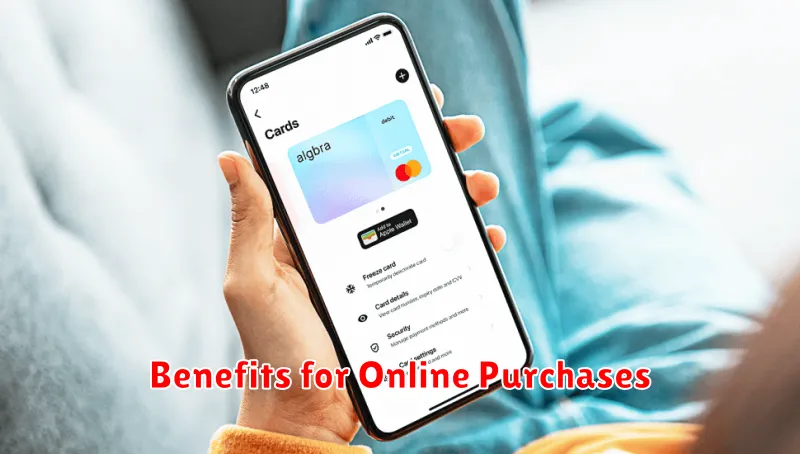
Virtual cards offer a range of advantages when used for online transactions. One key benefit is enhanced security. By using a temporary card number, your actual account details are shielded from potential data breaches. This significantly reduces the risk of fraud and identity theft should a merchant’s website be compromised.
Budgeting and expense tracking are also simplified with virtual cards. You can set spending limits for each virtual card, making it easier to manage online expenses and adhere to a budget. This is particularly useful for subscriptions or recurring payments.
Furthermore, virtual cards offer increased convenience. They can be generated quickly and easily through your digital banking platform, eliminating the need to carry a physical card. This is especially helpful for online shopping on-the-go or when making purchases from international vendors.
How to Generate and Use One
Generating a virtual card is typically a straightforward process within your digital banking platform. Locate the virtual card section, often found within the cards or account management area. You may be prompted to choose a card type if your bank offers multiple virtual card options.
Once you’ve selected your desired card type, you will likely be asked to confirm card details such as the spending limit and expiration date. Some banks allow for customizable spending limits for enhanced control. After confirmation, the virtual card will be generated, displaying its number, expiration date, and CVV.
Using a virtual card is similar to using a physical card. Simply enter the card details at online checkout when making purchases. For added security, some virtual cards can be set to expire after a single use or a specific time period.
Security Advantages Over Physical Cards
Virtual cards offer several key security advantages compared to their physical counterparts. A primary benefit is the reduced risk of card-not-present fraud. Since virtual card details are not printed on a physical card, they are significantly less susceptible to theft or skimming.
Furthermore, many virtual card providers offer the ability to generate disposable or single-use card numbers. These numbers can be used for a specific transaction and then immediately deactivated, eliminating the risk of future unauthorized charges should the merchant’s system be compromised.
Dynamic CVV codes provide an additional layer of security. Instead of a static CVV printed on the back of a card, virtual cards can generate dynamic CVVs that change periodically, making them extremely difficult for fraudsters to use even if they manage to obtain the card number and expiration date.
Finally, virtual cards offer enhanced control and monitoring capabilities. Users can typically set spending limits, restrict usage to specific merchants or categories, and receive real-time transaction alerts, enabling them to quickly identify and address any suspicious activity.
Best Practices When Using Virtual Cards
Virtual cards offer enhanced security and control, but employing best practices is crucial for maximizing their benefits. Regularly monitor your transactions associated with each virtual card. This helps identify any unauthorized activity quickly.
Use unique virtual card numbers for different merchants or subscriptions. This compartmentalizes your financial information, limiting the impact of a potential breach. If one card number is compromised, others remain secure.
Set spending limits for each virtual card. This provides an extra layer of control over your budget and can help prevent overspending. It also minimizes potential losses if a card is compromised.
Delete virtual cards that are no longer needed. This reduces your attack surface and simplifies transaction tracking. For recurring subscriptions, consider creating dedicated virtual cards with spending limits tailored to the service.
