
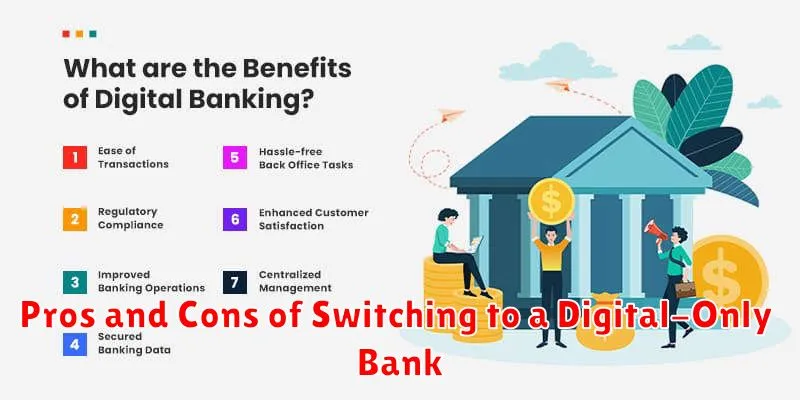
Are you considering switching to a digital-only bank? The rise of digital banking has transformed the financial landscape, presenting consumers with new and innovative ways to manage their finances. Digital-only banks, also known as online banks or virtual banks, operate exclusively online, without physical branch locations. This model offers several potential advantages, including higher interest rates on savings accounts, lower fees, and 24/7 account access through convenient mobile apps. However, transitioning to a digital-only banking platform also presents potential drawbacks that must be carefully considered. This article will delve into the pros and cons of switching to a digital-only bank to help you make an informed decision about whether this modern banking approach is the right choice for you.
Understanding the advantages and disadvantages of digital-only banks is crucial in today’s evolving financial world. From the convenience of mobile banking to the potential challenges of limited in-person support, making the switch requires careful evaluation of your individual banking needs and preferences. This article will explore the pros and cons of switching to a digital-only bank, examining the key features, benefits, and potential downsides of embracing this increasingly popular digital banking option. We will cover topics such as account access, fees, customer service, security, and more to provide a comprehensive overview of the digital-only banking experience.
No Physical Branches
A key characteristic of digital-only banks is the absence of physical branches. This can be a significant advantage or a significant disadvantage depending on individual banking habits and preferences.
The lack of physical locations eliminates the option of in-person assistance for tasks like complex transactions or resolving account issues. Clients must rely on online support channels, which can sometimes feel impersonal or lead to longer resolution times. This can be particularly challenging for those who are not tech-savvy or prefer face-to-face interactions.
However, the absence of branches also contributes to the lower overhead costs of digital-only banks, which often translates to better interest rates and lower fees for customers. Additionally, it promotes 24/7 banking accessibility through online and mobile platforms, offering a level of convenience traditional banks often struggle to match.
Lower Fees and Better Interest
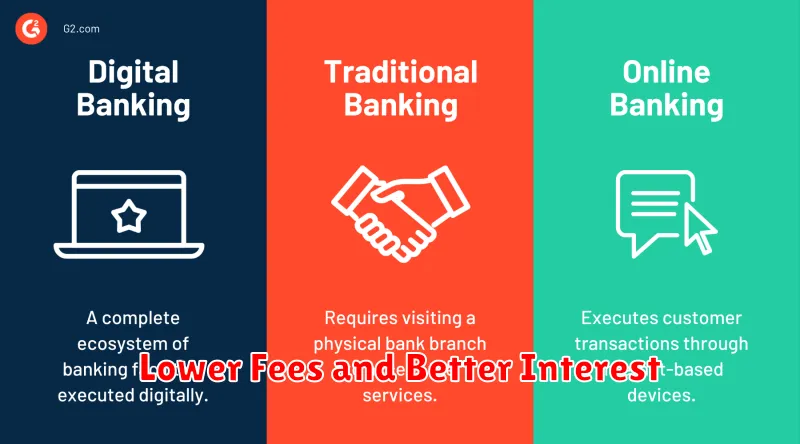
Digital-only banks often operate with significantly lower overhead costs compared to traditional brick-and-mortar institutions. This allows them to pass the savings on to customers in the form of lower fees. You might encounter fewer or no monthly maintenance fees, overdraft fees, or minimum balance requirements.
In addition to reduced fees, digital banks frequently offer higher interest rates on savings accounts and other deposit products. Because they don’t have the expense of maintaining physical branches, they can be more competitive with their interest rates, helping your money grow faster.
| Feature | Traditional Bank | Digital Bank |
|---|---|---|
| Monthly Maintenance Fees | Often charged | Often waived |
| Overdraft Fees | Typically higher | Potentially lower or none |
| Savings Interest Rates | Generally lower | Generally higher |
24/7 Account Access
A primary advantage of digital-only banks is the uninterrupted access they provide to your accounts. Unlike traditional banks with limited branch hours, digital banks allow you to manage your finances anytime, anywhere, through their mobile apps or websites.
This 24/7 availability empowers you to check balances, transfer funds, pay bills, and even deposit checks using your smartphone or computer. This can be particularly beneficial for individuals with busy schedules or those who travel frequently.
While some traditional banks offer online and mobile banking options, digital banks are built with a digital-first approach, often resulting in more streamlined and intuitive interfaces and features specifically designed for digital engagement.
Potential Customer Service Limitations
While digital banks offer convenience, they can sometimes present challenges regarding customer service. Limited face-to-face interaction is a key factor. Customers accustomed to in-person banking might find the lack of a physical branch inconvenient for complex issues or personal consultations.
Technical difficulties can also pose problems. System outages or app malfunctions can hinder access to accounts and services, potentially leaving customers frustrated, especially during urgent situations. While digital banks often provide 24/7 support through channels like chatbots or email, these might not offer the same level of personalized assistance as a human representative.
Furthermore, resolving complex issues might take longer than with traditional banks. Navigating automated systems or waiting for email responses can be time-consuming compared to speaking directly with a bank teller or manager.
Technology Dependence
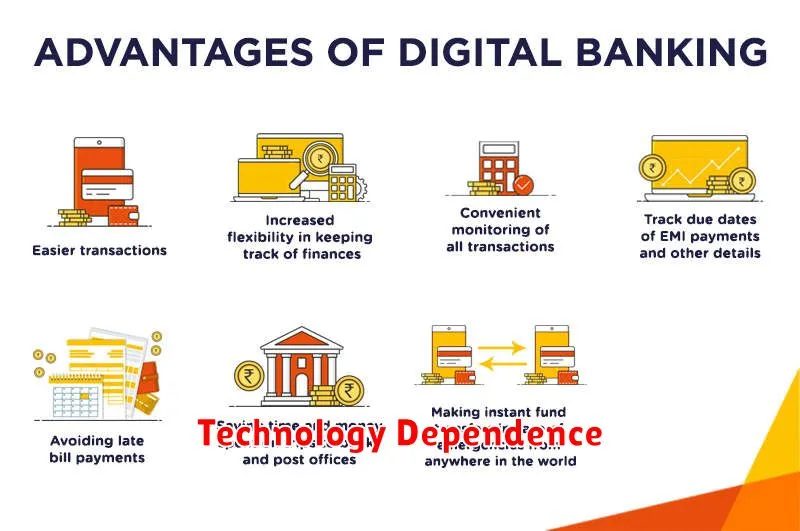
A significant drawback of digital-only banks is the complete reliance on technology. Customers must have consistent access to the internet and a functioning device to manage their finances.
This dependence can be problematic during service outages or technical issues. Customers may be unable to access funds, make payments, or contact customer support if the bank’s systems are down.
Furthermore, customers lacking technological proficiency may find navigating a digital-only platform challenging, particularly during complex transactions or when seeking assistance.
Security breaches also pose a threat, as digital-only banks are susceptible to hacking and cyberattacks. While traditional banks are also at risk, the entirely online nature of digital banks can potentially increase the impact of such breaches.
