

Navigating international money transfers can be complex, often involving high fees, slow processing times, and opaque exchange rates. Traditional banks often lack transparency and efficiency in this area, making it a cumbersome process for individuals and businesses alike. However, the rise of digital banks offers a potential solution. This article explores how digital banks are disrupting the landscape of international transfers, offering potentially faster, cheaper, and more transparent options for sending money across borders. We will delve into the mechanisms they employ, the advantages they offer over traditional banking methods, and the key factors to consider when choosing a digital bank for your international transfer needs.
Understanding the intricacies of how digital banks handle international transfers is crucial in today’s interconnected world. From utilizing innovative technologies like blockchain and APIs to partnering with global payment networks, digital banks are revolutionizing how we move money internationally. This article will provide a comprehensive overview of the processes involved, highlighting the benefits and drawbacks of using a digital bank for international transfers, ultimately equipping you with the knowledge to make informed decisions regarding your international finance needs.
Overview of Cross-Border Payments
Cross-border payments involve the transfer of funds between parties located in different countries. These transactions are fundamental to global trade, investment, and remittances, facilitating economic activity on an international scale.
Traditionally, cross-border payments have been characterized by complex processes, high fees, and slow transaction times. Factors such as varying regulatory requirements, different currency conversions, and the involvement of multiple intermediary banks contributed to these challenges.
However, recent advancements in financial technology (fintech) are transforming the cross-border payment landscape. Digital banks and other fintech companies are leveraging innovative solutions to streamline these transactions, offering faster, cheaper, and more transparent options for individuals and businesses.
Lower Fees Than Traditional Banks
One of the most significant advantages of using a digital bank for international transfers is the potential for lower fees. Traditional banks often impose a variety of charges, including SWIFT fees, correspondent bank fees, and intermediary bank fees. These fees can quickly accumulate, significantly increasing the overall cost of the transfer.
Digital banks often leverage different transfer networks or operate with leaner cost structures, allowing them to offer significantly reduced fees, sometimes even eliminating them altogether for certain transfer amounts or destinations. This makes them a more cost-effective option, especially for frequent international transfers or smaller amounts where traditional bank fees can represent a large percentage of the overall transaction.
| Fee Type | Traditional Bank | Digital Bank |
|---|---|---|
| Transfer Fee | $25 – $45 | $0 – $10 |
| Intermediary Bank Fee | $15 – $30 | Often Included or lower |
Faster Transfer Speeds
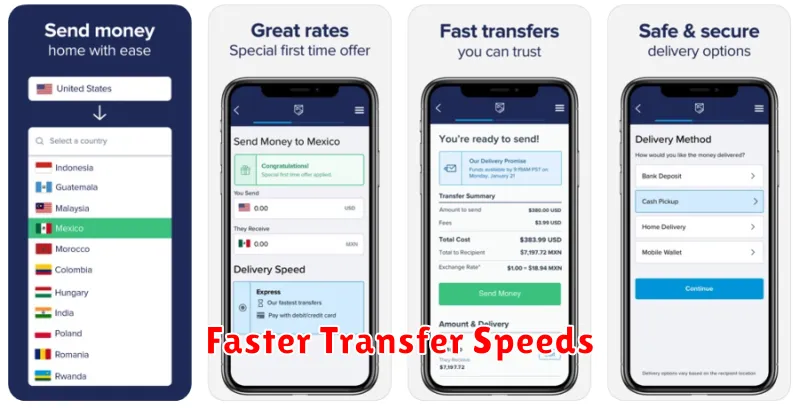
Digital banks often leverage newer technologies and infrastructure that facilitate quicker international transfers compared to traditional banks. This can be attributed to several factors.
Firstly, many digital banks partner with payment networks optimized for cross-border transactions, reducing the number of intermediaries involved and streamlining the process. This translates to funds reaching recipients much faster.
Secondly, digital banks often operate 24/7. This means transfers can be initiated and processed outside of traditional banking hours, avoiding delays caused by weekend or holiday closures.
Currency Conversion Options
Digital banks typically offer several currency conversion options for international transfers, allowing customers to choose the method that best suits their needs. One common option is real-time market rates. This means the exchange rate is determined at the moment the transfer is executed, reflecting the current market value.
Another option is to use a fixed exchange rate, which is agreed upon in advance. This provides certainty about the final amount received, but may not always offer the most favorable rate if the market fluctuates. Some banks also offer a margin on the mid-market rate. This involves adding a small percentage markup to the mid-market rate, which represents the average of the buy and sell prices for a given currency pair.
Finally, some digital banks leverage partnerships with third-party currency exchange providers. These partnerships can provide access to better exchange rates or specialized services, but may involve additional fees.
Security in International Transactions
Security is paramount in international transactions. Digital banks employ multiple layers of security to protect user funds and data. Multi-factor authentication adds an extra layer of security, requiring users to verify their identity through multiple channels.
Encryption plays a vital role, scrambling sensitive data to prevent unauthorized access. Digital banks use robust encryption protocols to secure transactions and protect user information. Furthermore, fraud detection systems actively monitor transactions for suspicious activities, flagging and preventing potentially fraudulent transfers.
Compliance with international regulations, such as Know Your Customer (KYC) and Anti-Money Laundering (AML) regulations, are also critical. These regulations require banks to verify the identity of their customers and monitor transactions for suspicious activity, further enhancing the security of international transfers.
